
Key Takeaways
Transitioning an agency into an AI-driven model requires prioritizing operational stability over theoretical efficiency gains. These five principles summarize the path to implementing sustainable infrastructure:
- Start by auditing existing manual bottlenecks rather than adopting tools based on industry hype.
- Treat proprietary data as your most valuable asset when training or configuring AI systems.
- Focus on automating repetitive reporting and administrative tasks before attempting complex client-facing solutions.
- Build your stack to function like an internal staff member that requires specific, well-defined parameters to succeed.
- Prioritize systems that integrate seamlessly with your current CRM and analytics platforms to preserve a single source of truth.
Strategic planning for AI integration
Implementing new technology within a digital agency often fails because leadership views it as a software problem rather than an operational one. If your team treats automation as a collection of disjointed subscriptions, you will only trade manual labor for "subscription bloat." We recommend an approach focused on battle-tested internal systems that replicate the processes successful agency owners have used for years to maintain profitability without burning out staff.
Identifying high-impact agency operations
Not every task deserves a machine-learning solution. High-impact operations are those that are repeated daily, involve structured data, and have clear, predictable outputs. Focus your efforts here first to ensure you are solving genuine bottlenecks instead of creating technical overhead.
Aligning AI tools with client service goals
Your tools must serve the specific objectives you agreed upon with your clients. If a client prioritizes conversion rate improvements above brand awareness, your AI systems should output data and predictions specific to conversion events rather than generic engagement metrics.
Assessing internal team capability and training needs
Implementing advanced systems requires a shift in how team members think about their roles. Ensure your staff feels empowered by these tools rather than threatened by them by providing clear workflows and hands-on guidance on how to act as a system supervisor.
Establishing data privacy and security protocols
When you build custom integrations, protecting client information remains non-negotiable. Establish firm rules about what data is fed into third-party AI models to avoid IP leaks and maintain the trust that defines your agency partnership.
AI systems for content marketing and production

Content production is often the first casualty of team burnout in any agency. By deploying AI to handle the heavy lifting of raw drafting and data sorting, your creatives can focus on the nuance that machines struggle to grasp. It is vital to use the 30 best AI marketing tools as a starting point, but always refine these outputs through your own agency’s voice, ensuring the content matches your specific creative standards.
Automating content ideation and keyword research
AI systems can rapidly scan market trends and your own historical performance data to suggest content topics that are likely to resonate. This process moves ideation from a brainstorming session to a data-backed production schedule.
Scaling high-quality copywriting and editing
Machines excel at drafting foundational content, which allows your editors to spend their energy on structure, tone, and brand alignment. This method allows you to scale up volume without an equivalent increase in overhead costs.
Managing creative assets with AI-driven workflows
AI can automatically tag, categorize, and archive your creative assets once they are complete. This reduces the time spent searching through scattered folders and ensures your team has instant access to the latest versions.
Personalizing content delivery at scale
By leveraging customer data, AI systems can tailor the delivery of content to specific user segments, ensuring the right people see the right message at the right moment. This creates a far more effective user journey than generic mass distribution.
Automating client reporting and analytics
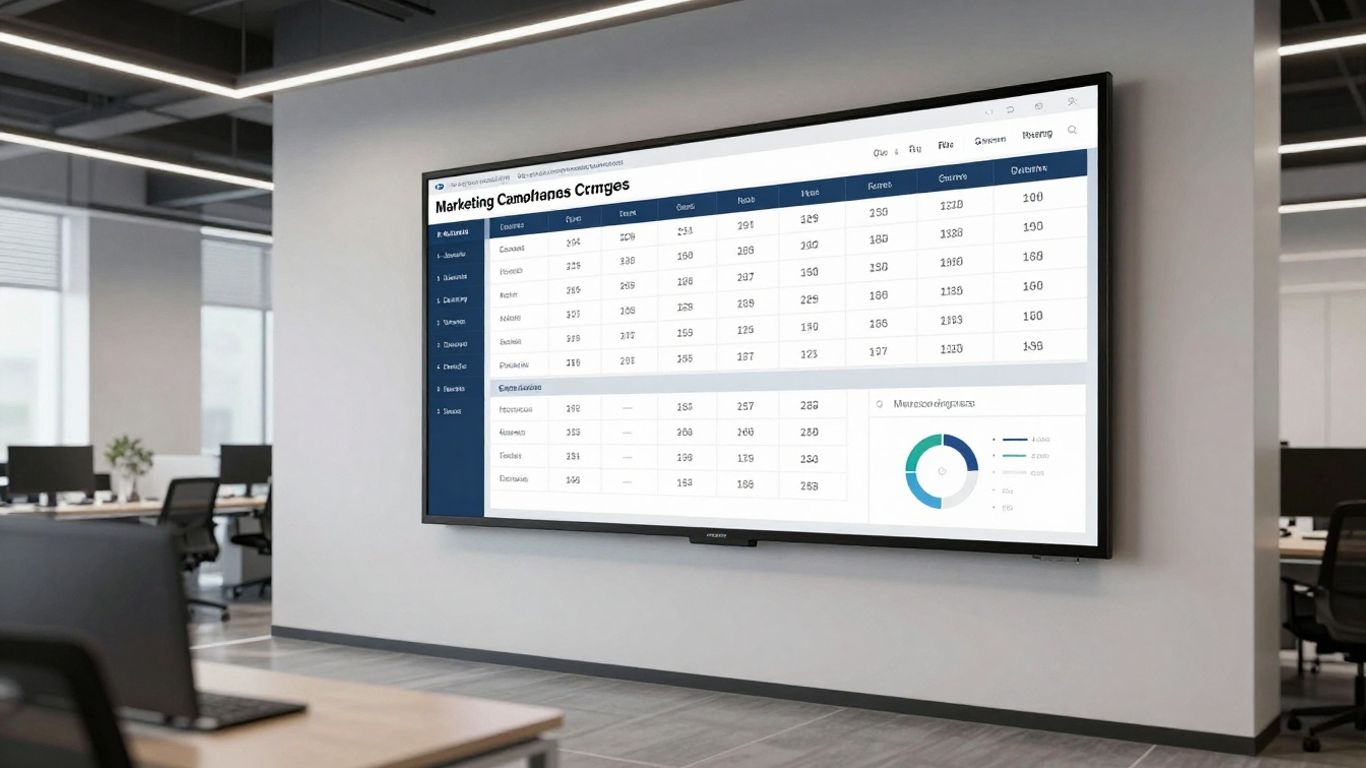
Most agencies struggle with data silos where information is trapped in disparate platforms across the client’s tech stack. Our Data & Reporting services focus on bringing these numbers together into a live, unified view. Without this centralization, your team is likely wasting hours manually pulling spreadsheets every month across multiple channels.
Centralizing disparate data sources for insights
To move away from manual exports, you must implement a system that pulls information from ad platforms, CRM, and email metrics into a single warehouse. The table below illustrates common data consolidation steps found in modern agency systems.
| Source | Frequency | Primary Action |
|---|---|---|
| Ad Platforms | Daily | Sync spend and results |
| CRM | Hourly | Update pipeline stages |
| Email Tools | Daily | Log open and clicks |
Generating automated performance reports
Once the data is centralized, you can generate reports that update automatically without human intervention. This shifts your time from data consolidation to data analysis and strategic advice for your clients.
Predictive analytics for campaign forecasting
Predictive tools analyze past campaign results to forecast future performance, alerting you to potential churn or missed targets before they happen. This builds a reputation for proactive service rather than reactive firefighting.
Visualizing complex data for client presentations
Clients rarely have the time or desire to dig through raw data. Use automated dashboards to transform those complex numbers into clear, actionable visual insights. Consider these essential elements for every client dashboard:
- A visual overview of key performance indicators compared to monthly targets.
- Clear trend indicators showing growth or decline across primary metrics.
- An automated alert system for any unusual drops in campaign efficiency.
- A simple high-level summary that explains what the data means for their bottom line.
Streamlining agency project management and operations
Operational friction is the silent killer of agency growth. Using AI to handle internal scheduling and project status updates keeps your team focused on deliverable quality rather than managing ticket statuses in a spreadsheet.
Optimizing resource allocation and time tracking
AI tools can monitor employee capacity and predict when projects are likely to go over budget based on real-time task completion tracking. This prevents over-servicing clients and ensures you maintain the profit margins you projected.
AI-powered scheduling and email communication
Automated systems can schedule meetings by scanning internal calendars and sending personalized follow-ups. This removes a significant administrative burden from project managers’ plates every day.
Automating administrative task workflows
From onboarding new clients to raising invoices, AI workflows can ensure these repetitive tasks are completed consistently. This NuggetAI approach to automation guarantees that no administrative loose end falls through the cracks.
Enhancing collaboration across remote teams
When your team is distributed, AI-driven documentation and project management tools ensure everyone is synced. These systems provide a single source of truth for project history, which is critical for maintaining consistency in cross-border partnerships.
Client-facing AI solutions and service offerings
Your agency has an opportunity to sell the very systems it builds for itself. Once you have perfected these AI tools internally, they become a high-value product you can offer to clients who face the same operational hurdles you once did.
Developing AI-driven chatbots for client websites
Custom chatbots can handle basic customer inquiries and lead qualification 24/7. This provides immediate service to the client’s visitors while filtering the noise away from their sales team.
Creating custom predictive model services
Help your clients forecast their own business outcomes by deploying predictive models based on their specific sales data. This positions your services as critical business infrastructure rather than just marketing support.
Upselling AI audits to existing clients
Most of your current clients are likely unsure where to start with AI. By offering an audit of their existing processes, you provide them with a clear, actionable roadmap for success while strengthening your existing client retention.
Positioning your agency as an AI-first partner
Shift your brand narrative from being a "service provider" to a "systems partner." Clients are increasingly looking for agencies that can help them navigate technical complexity, and this positioning validates your value beyond simple ad management services.
Conclusion
Integrating AI systems into your digital agency is not about replacing human talent, but about arming your team with the precision required to thrive in a complex digital environment. When you build processes that emphasize reliability, transparency, and actionable data, you create a sustainable model that serves both your internal staff and your clients for the long term.
Frequently Asked Questions
How should an agency decide which task to automate first?
Start by mapping out the tasks that cause your team the most frustration or those that consume significant hours every single week. Activities like report extraction, manual lead data entry, and repetitive customer email responses are the best candidates for initial automation efforts.
Is it necessary to hire developers to implement AI systems?
Not necessarily. Many automation and AI tools provide low-code or no-code interfaces that allow experienced marketers to build robust workflows. The key is to have a clear understanding of your requirements rather than jumping directly into the technical implementation.
How do I ensure data privacy when using AI tools?
Always use private or enterprise-tier versions of AI models that guarantee your data will not be used to re-train their public-facing algorithms. Additionally, avoid uploading sensitive personal health or financial information into any third-party tool without first consulting your standard security protocols.
What are the main risks of automating too much too quickly?
Over-automating can strip the personal, human touch from your client relationships, which is often a key differentiator for agencies. Additionally, if the systems are not documented correctly, you risk creating a black box that your team doesn't understand and cannot quickly fix when issues arise.
How does AI impact the profitability of my agency?
AI improves profitability by reducing the number of hours your team spends on low-value, repetitive administrative tasks, allowing them to focus on high-margin strategic work. It also reduces the need for constant, incremental hiring as you grow your client base.
How do I help my staff adapt to these new systems?
Involve your team in the planning phase so they understand exactly how the systems will make their daily work easier rather than more complex. Provide clear, hands-on training sessions and focus on the ways these tools free them from the most tedious aspects of their jobs.
Should I offer AI-specific services to clients immediately?
Wait until you have successfully stress-tested your internal workflows for at least a year. Offering these services to clients carries a higher level of expectation, and you should only begin selling them once you have the internal experience to guarantee a predictable, high-quality result for any client account.